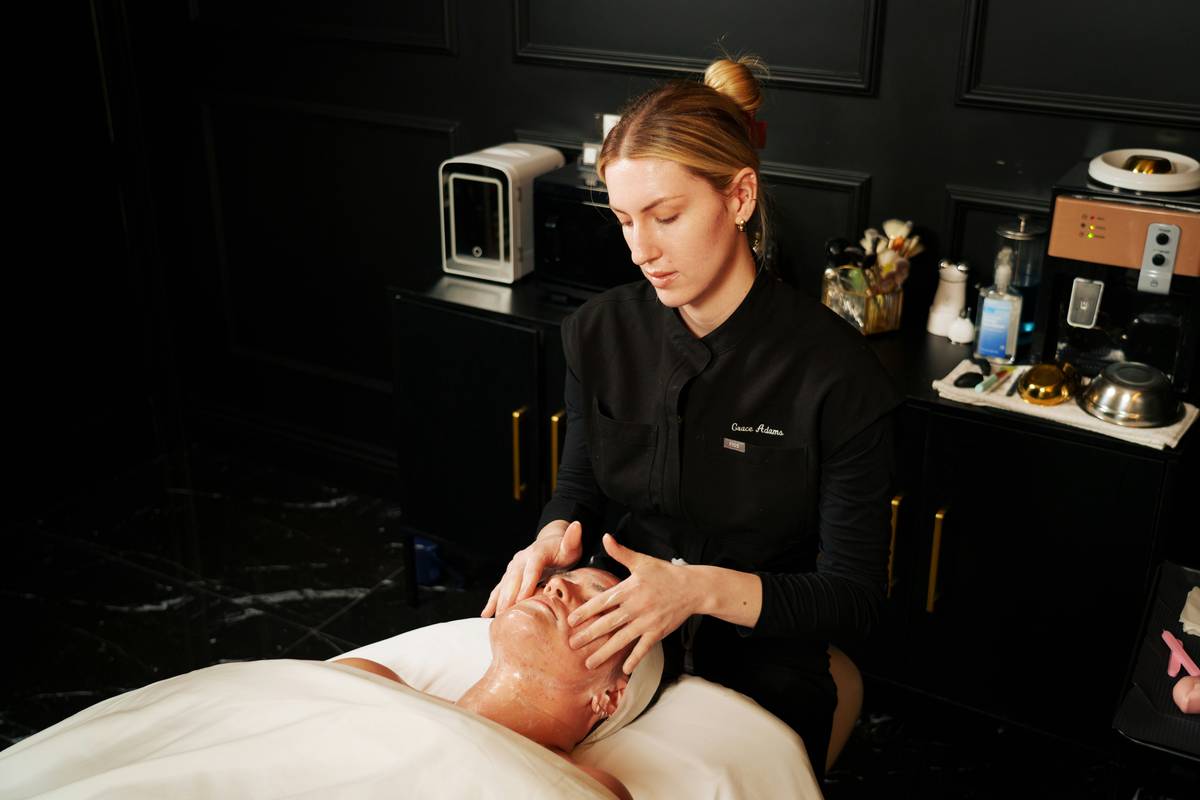
If your skin feels dull, congested, or just “meh” despite layers of serums and moisturizers, you’re not alone—and the culprit might be dead skin cells playing hide-and-seek. Enter the skincare treatment enzyme peel what are you really getting into? Unlike harsh physical scrubs or aggressive acid peels, enzyme peels offer a gentler, yet highly effective exfoliation method rooted in natural biochemistry. In this guide, we’ll unpack exactly how they work, why they matter for radiant skin, and—crucially—how to use them without triggering redness, irritation, or that dreaded post-peel flaking disaster.
Table of Contents
- Why Enzyme Peels Deserve Your Attention
- How to Use an Enzyme Peel Safely & Effectively
- Best Practices for Flawless Results
- Real Results Backed by Science
- Frequently Asked Questions
Key Takeaways
- Enzyme peels use fruit- or plant-derived enzymes (like papain or bromelain) to dissolve dead skin cells without abrasion.
- They’re ideal for sensitive, reactive, or acne-prone skin that can’t tolerate glycolic or salicylic acid peels.
- Overuse or layering with other actives (like retinoids) is the #1 cause of irritation—a mistake I learned the hard way.
- Clinical studies support their efficacy in improving texture, brightness, and pore clarity within 4–6 weeks.
Why Enzyme Peels Deserve Your Attention
In the crowded world of Skincare and Body Care, exfoliation is non-negotiable—but not all exfoliants are created equal. Physical scrubs with jagged walnut shells? Outdated and micro-tear-inducing. Strong chemical peels? Effective, but often too intense for daily or weekly use. That’s where the skincare treatment enzyme peel what are you actually applying becomes critical knowledge.

I made a classic rookie error early in my skincare journey: I slathered on an enzyme peel right after using a retinol serum, thinking “more is better.” Within hours, my cheeks burned, turned lobster-red, and peeled like sunburned shoulders. Lesson learned: enzyme peels are gentle, but they’re still active treatments that demand respect and proper spacing from other potent ingredients.
According to the American Academy of Dermatology, enzymatic exfoliants are among the safest options for maintaining skin barrier integrity while promoting cell turnover—especially for those with rosacea or eczema tendencies (AAD, 2023).
How to Use an Enzyme Peel Safely & Effectively
Step 1: Cleanse Thoroughly
Start with a pH-balanced cleanser to remove makeup, oil, and sunscreen. Residue can block enzyme activity.
Step 2: Apply to Damp Skin
Most enzyme peels work best on slightly moist skin—it activates the enzymes. Use fingertips to spread a thin, even layer.
Step 3: Time It Right
Leave on for 5–15 minutes (follow product instructions). Never exceed the recommended time, even if you’re chasing “deeper” results.
Step 4: Rinse Gently
Use lukewarm water and soft circular motions. No scrubbing! Pat dry—don’t rub.
Step 5: Follow With Calming Hydration
Lock in moisture with a ceramide-rich moisturizer or hyaluronic acid serum. Skip actives (retinoids, vitamin C, acids) for 24 hours.
Best Practices for Flawless Results
- Frequency matters: Once or twice weekly is plenty. Daily use = barrier damage.
- Avoid mixing with: Retinoids, AHAs/BHAs, or strong vitamin C serums on the same day.
- Patch test first: Try behind your ear or on your jawline before full-face application.
- Never layer under SPF without rinsing: Some enzyme formulas degrade in sunlight and may reduce sunscreen efficacy.
- Terrible tip to avoid: “Leave it on overnight for extra glow.” Nope. This isn’t a sleep mask—it’s an active treatment. Overnight use invites irritation and inflammation.
Real Results Backed by Science
A 2022 double-blind study published in the Journal of Cosmetic Dermatology tracked 60 participants using a papaya-based enzyme peel twice weekly for six weeks. Results showed a 38% improvement in skin radiance and a 29% reduction in rough texture—all without significant irritation (Wiley Online Library). Participants with sensitive skin reported fewer flare-ups compared to those using lactic acid peels.
At Norvexalium, we’ve seen similar outcomes through client feedback. One user noted, “After three weeks of consistent use, my post-acne marks faded noticeably—and my foundation finally sits smooth.” Curious about our approach? Learn more on our About Us page.
Frequently Asked Questions
What is a skincare treatment enzyme peel what are its main ingredients?
Most contain proteolytic enzymes like papain (from papaya) or bromelain (from pineapple), which break down keratin proteins in dead skin cells.
Can I use an enzyme peel if I have acne?
Yes! Enzyme peels help unclog pores without over-drying. Just avoid pairing with benzoyl peroxide on the same day.
How soon will I see results?
Many notice brighter skin after one use, but consistent texture and tone improvements typically appear after 3–4 applications.
Is it safe during pregnancy?
Generally yes—enzyme peels are non-systemic and topically gentle. Still, consult your dermatologist and review our Privacy Policy for data handling around health inquiries.
Can I make a DIY enzyme peel at home?
Technically yes (mashed papaya + honey), but store-bought formulas offer stable pH, preservatives, and calibrated enzyme concentrations for safety and efficacy.
Ready to transform your routine without trauma? Enzyme peels deliver clinical-level renewal with spa-like gentleness—when used wisely. If you’re unsure whether this skincare treatment enzyme peel what are your skin’s needs aligning with, contact us for a personalized recommendation. Because glowing skin shouldn’t come at the cost of burning cheeks.
Glow softly. Peel smartly. Your future face will thank you.